OLD & MIDDLE ENGLISH
Δημοσιεύτηκε: Σάβ 24 Μάιος 2008, 11:50
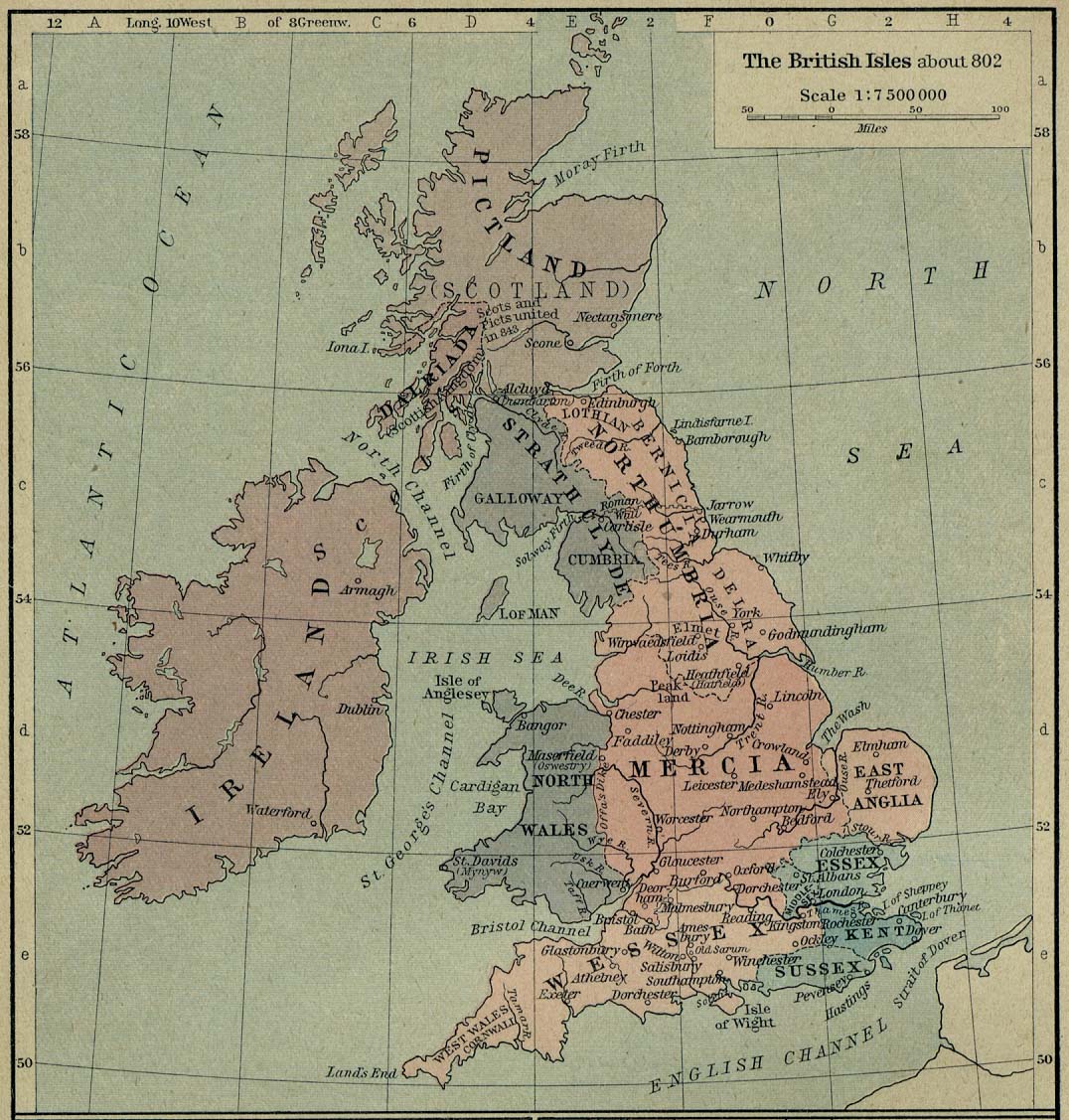
450–1100 Old English (Anglo-Saxon) – The language of Beowulf.
1100–1500 Middle English – The language of Chaucer.
1500–1650 Early Modern English (or Renaissance English) – The language of Shakespeare.
1650–present Modern English (or Present-Day English) – The language as spoken today.
1. Old English - Beowulf (8ος - 11ος μ.Χ.)
Line Original Translation
[1] Hwæt! wē Gār-Dena in geār-dagum, What! We [of] Gar-Danes(lit. spear-danes) in yore-days,
[2] þeod-cyninga, þrym gefrunon, [of] people-kings, trim(glory) apried(have learned of by asking or "prying"),
[3] hu ða æþelingas ellen fremedon. how those athelings(princes) arm-strong feats framed(made).
[4] Oft Scyld Scefing sceaþena þreatum, Oft Scyld Scefing, [from] scathers(enemies) [in] threats(armed bands),
[5] monegum mægþum, meodosetla ofteah, [from] many macths(clans, groups of sons, c.f. Irish Mac-), mead-settles took,
[6] egsode eorl. Syððan ærest wearð awed earls(leaders of men). Since erst(first) [he] worth(came to be)
[7] feasceaft funden, he þæs frofre gebad, ewshiped(helpless, with "fewship") founden, he thence(from then onward) in loving care abode(lived),
[8] weox under wolcnum, weorðmyndum þah, wex(waxed) under welkin(the clouds), mind's-worth(honour) got,
[9] oðþæt him æghwylc þara ymbsittendra orthat(until that) him each [of] those umbe-sitting("sitting" or dwelling roundabout)
[10] ofer hronrade hyran scolde, over whale-road(kenning for sea) hear(obey) should(owed to),
[11] gomban gyldan. Þæt wæs god cyning! gifts [to] yield. That was [a] good king!
2. Middle English - Πρόλογος από το έργο The Canterbury Tales του Geoffrey Chaucer.(14ος αι. μ.Χ.)
Πρωτότυπο
Whan þat Aprill with his shoures sote
Þe droghte of Marche haþ perced to the rote,
And baðed euery veyne in swich licour,
Of which vertu engendred is þe flour;
Whan Zephirus eek with his swete breeþ
Inspired haþ in euery holt and heeþ
Þe tendre croppes, and the yonge sonne
Haþ in the Ram his halfe course yronne,
And smale fowles maken melodye,
That slepen al the niȝt with open ye—
So prikeþ hem Nature in hir corages—
Þan longen folk to goon on pilgrimages,
And palmeres for to seken straunge strondes,
To ferne halwes, couthe in sondry londes;
And specially, from euery shires ende
Of Engelond to Caunterbury þey wende,
The holy blissful martir for to seke,
Þat hem haþ holpen, whan þat þey were seke. Translation:
Μετάφραση
When that April with his showers sweet
The drought of March has pierced to the root
And bathed every vein in such liqueur
Of which virtue engendered is the flower,
When Zephyrus also with his sweet breath
Inspired has in every holt and heath
The tender crops, and the young sun
Has in the Ram his half course run,
And small fowls make melody
That sleep all the night with open eye,
So pricks them nature in their hearts,
Then long folk to go on pilgrimages,
And palmers for to seek strange strands
To far shrines known in sundry lands,
And specially from every shires’ end
Of England to Canterbury they wend
The holy blessed martyr for to seek
That them has helped when that they were sick.
1100–1500 Middle English – The language of Chaucer.
1500–1650 Early Modern English (or Renaissance English) – The language of Shakespeare.
1650–present Modern English (or Present-Day English) – The language as spoken today.
1. Old English - Beowulf (8ος - 11ος μ.Χ.)
Line Original Translation
[1] Hwæt! wē Gār-Dena in geār-dagum, What! We [of] Gar-Danes(lit. spear-danes) in yore-days,
[2] þeod-cyninga, þrym gefrunon, [of] people-kings, trim(glory) apried(have learned of by asking or "prying"),
[3] hu ða æþelingas ellen fremedon. how those athelings(princes) arm-strong feats framed(made).
[4] Oft Scyld Scefing sceaþena þreatum, Oft Scyld Scefing, [from] scathers(enemies) [in] threats(armed bands),
[5] monegum mægþum, meodosetla ofteah, [from] many macths(clans, groups of sons, c.f. Irish Mac-), mead-settles took,
[6] egsode eorl. Syððan ærest wearð awed earls(leaders of men). Since erst(first) [he] worth(came to be)
[7] feasceaft funden, he þæs frofre gebad, ewshiped(helpless, with "fewship") founden, he thence(from then onward) in loving care abode(lived),
[8] weox under wolcnum, weorðmyndum þah, wex(waxed) under welkin(the clouds), mind's-worth(honour) got,
[9] oðþæt him æghwylc þara ymbsittendra orthat(until that) him each [of] those umbe-sitting("sitting" or dwelling roundabout)
[10] ofer hronrade hyran scolde, over whale-road(kenning for sea) hear(obey) should(owed to),
[11] gomban gyldan. Þæt wæs god cyning! gifts [to] yield. That was [a] good king!
2. Middle English - Πρόλογος από το έργο The Canterbury Tales του Geoffrey Chaucer.(14ος αι. μ.Χ.)
Πρωτότυπο
Whan þat Aprill with his shoures sote
Þe droghte of Marche haþ perced to the rote,
And baðed euery veyne in swich licour,
Of which vertu engendred is þe flour;
Whan Zephirus eek with his swete breeþ
Inspired haþ in euery holt and heeþ
Þe tendre croppes, and the yonge sonne
Haþ in the Ram his halfe course yronne,
And smale fowles maken melodye,
That slepen al the niȝt with open ye—
So prikeþ hem Nature in hir corages—
Þan longen folk to goon on pilgrimages,
And palmeres for to seken straunge strondes,
To ferne halwes, couthe in sondry londes;
And specially, from euery shires ende
Of Engelond to Caunterbury þey wende,
The holy blissful martir for to seke,
Þat hem haþ holpen, whan þat þey were seke. Translation:
Μετάφραση
When that April with his showers sweet
The drought of March has pierced to the root
And bathed every vein in such liqueur
Of which virtue engendered is the flower,
When Zephyrus also with his sweet breath
Inspired has in every holt and heath
The tender crops, and the young sun
Has in the Ram his half course run,
And small fowls make melody
That sleep all the night with open eye,
So pricks them nature in their hearts,
Then long folk to go on pilgrimages,
And palmers for to seek strange strands
To far shrines known in sundry lands,
And specially from every shires’ end
Of England to Canterbury they wend
The holy blessed martyr for to seek
That them has helped when that they were sick.